Chronic back pain can affect work, rest, and everyday movement. If symptoms persist or recur, an individual assessment can help you understand the next steps. A website cannot determine the cause, and chiropractic care cannot promise to eliminate pain at its source or prevent every future episode.
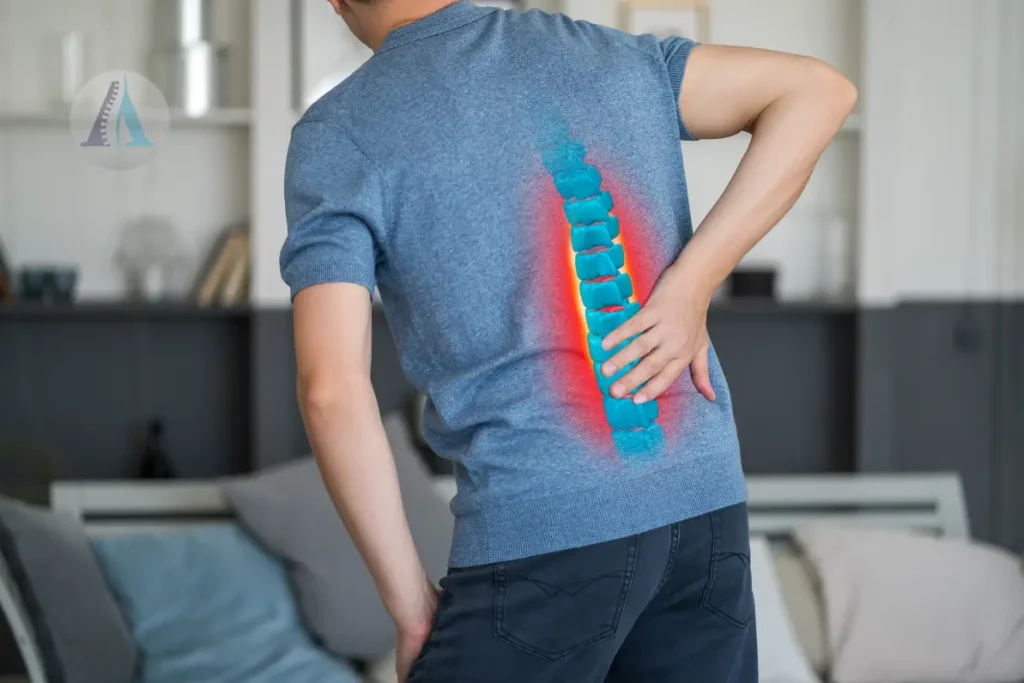
Prepare for a Chronic Back Pain Assessment
Describe where symptoms occur, how long they have been present, and what makes them better or worse. Bring information about earlier injuries, medical conditions, medicines, and treatment. Explain which tasks matter most to you, such as getting through a workday or walking comfortably.
Ask what the examination suggests and whether another type of assessment is needed. Back pain should not automatically be attributed to poor posture, spinal misalignment, or a sedentary routine. Several factors may need consideration.
Compare Care Options
For some people, chiropractic care may be one option within a broader plan. Rehabilitation, exercise guidance, clinical massage, medical treatment, or referral may also be discussed. Understand what a recommendation is intended to address and which alternatives are available.
The NCCIH low-back-pain guide discusses evidence and safety. Ask how that information applies to your own health history. Manual treatment is not appropriate for everyone, and results vary.
Set Goals and Review Progress
Choose practical goals with your clinician and ask how improvement will be measured. Discuss when a plan should change or stop, rather than assuming regular adjustments are necessary indefinitely. Let the clinician know if symptoms worsen, change, or fail to respond.
Keep other healthcare providers informed about your care. Do not stop prescribed treatment without discussing it with the prescriber. Confirm appointment frequency, fees, insurance requirements, and expected personal costs before accepting a plan.
Discuss Chronic Back Pain in Lakewood
Acute Chiropractic is located at 6020 Main St SW, Suite C, Lakewood, WA 98499. Call (253) 426-1000 or explore our pain-related care options to ask about an assessment. We explain potential benefits, risks, and alternatives before treatment.